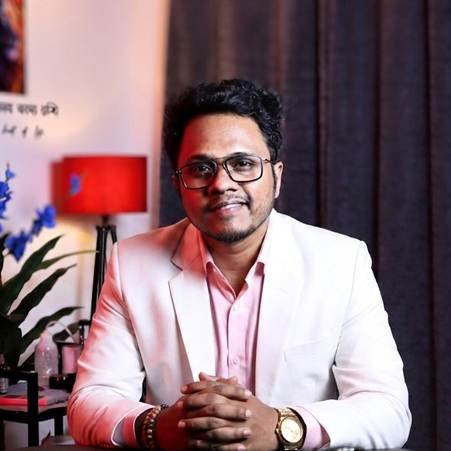
India’s First Destiny Tattoo Consultant by Shashikant Shelar Sparks a New Movement in the Tattoo Industry
A revolutionary concept is emerging from India, where tattoos are no longer being viewed simply as fashion statements but as intentional symbols designed to align with an individual’s personality, life goals, and personal journey.
Shashikant Shelar, founder and owner of 9Ex Tattoo Studios and a tattoo artist with over 16 years of experience, has introduced what he describes as India’s first Destiny Tattoo Consultation a unique consultation process that focuses on intention-based tattoo design.
Unlike conventional tattoo consultations that begin with choosing artwork from catalogs or social media references, Destiny Tattoo Consultation starts with a single question:
“What do you want to achieve in life?”
Whether the intention is wealth, success, career growth, health, healing, confidence, family harmony, spiritual growth, protection, or personal transformation, the entire tattoo concept is built around that intention.
According to Shelar’s methodology, once the intention is identified, an in-depth analysis of the individual’s personality profile and numerology is conducted. Based on this assessment, specific symbols, elements, geometric patterns, design concepts, and even tattoo placements on the body are recommended.
What makes this concept unique is its emphasis on placement.
Shelar believes that different areas of the human body hold different symbolic significance and energetic associations. Through Destiny Tattoo Consultation, every recommended tattoo is paired with a carefully selected placement intended to complement the individual’s goals and personality.
“The tattoo itself is only one part of the process,” says Shelar. “The symbol, the meaning, the placement, and the person’s intention all work together. A tattoo should be chosen with awareness, not impulse.”The idea is rooted in Shelar’s years of research into ancient tattoo traditions from India, Egypt, Southeast Asia, Polynesia, and tribal cultures around the world. According to his studies, tattoos thousands of years ago were rarely created purely for fashion. Instead, they often represented identity, protection, beliefs, social status, achievements, spiritual practices, or personal transformation.
In many ancient cultures, symbols carried deep meanings and were believed to connect individuals to their communities, traditions, and life purposes. Shelar believes modern tattoo culture has shifted heavily toward trends and aesthetics, causing many people to overlook the significance behind the imagery they permanently place on their bodies.
Destiny Tattoo Consultation seeks to bring that sense of meaning back into the tattooing process.
The concept is also influenced by the belief that symbols can influence how individuals think about themselves and their goals. According to Shelar, meaningful tattoos can serve as powerful daily reminders of a person’s intentions, helping reinforce focus, confidence, motivation, and self-belief.
He explains that when people see a symbol connected to their personal goals every day, it can create a stronger psychological connection with those aspirations, encouraging positive habits, and a deeper sense of purpose.
This philosophy has attracted growing interest among individuals seeking tattoos that represent more than artistic expression. Rather than choosing designs based solely on trends, many clients are now looking for tattoos that reflect their values, ambitions, identity, and personal stories.
Industry observers describe Destiny Tattoo Consultation as an innovative and highly personalized evolution in the Indian tattoo sector one that combines self-discovery, symbolism, intention, and tattoo artistry into a single experience.
As tattoo culture continues to evolve, Shashikant Shelar’s Destiny Tattoo Consultation is introducing a new perspective: that a tattoo can be more than ink on skin it can be a symbol of purpose, identity, and the future a person hopes to create.
With increasing interest from tattoo enthusiasts across India, this unique approach is opening a new chapter in the country’s tattoo industry, where meaning, intention, and personal transformation are becoming as important as the artwork itself.
Website: Shashikantshelar.in